 The Lords Feoffees
Part of the Bridlington community since 1636
The Lords Feoffees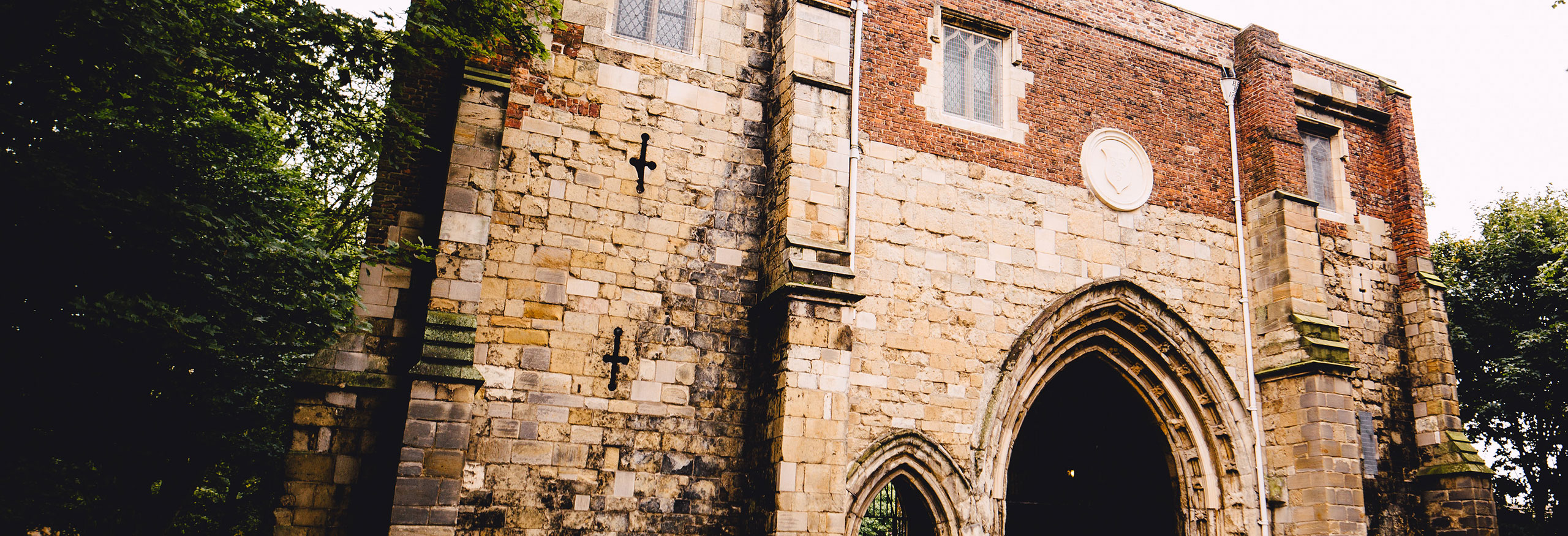
Find out about the history of The Lords Feoffees and their impact on Bridlington over hundreds of years.

THE HISTORY OF THE LORDS FEOFFEES
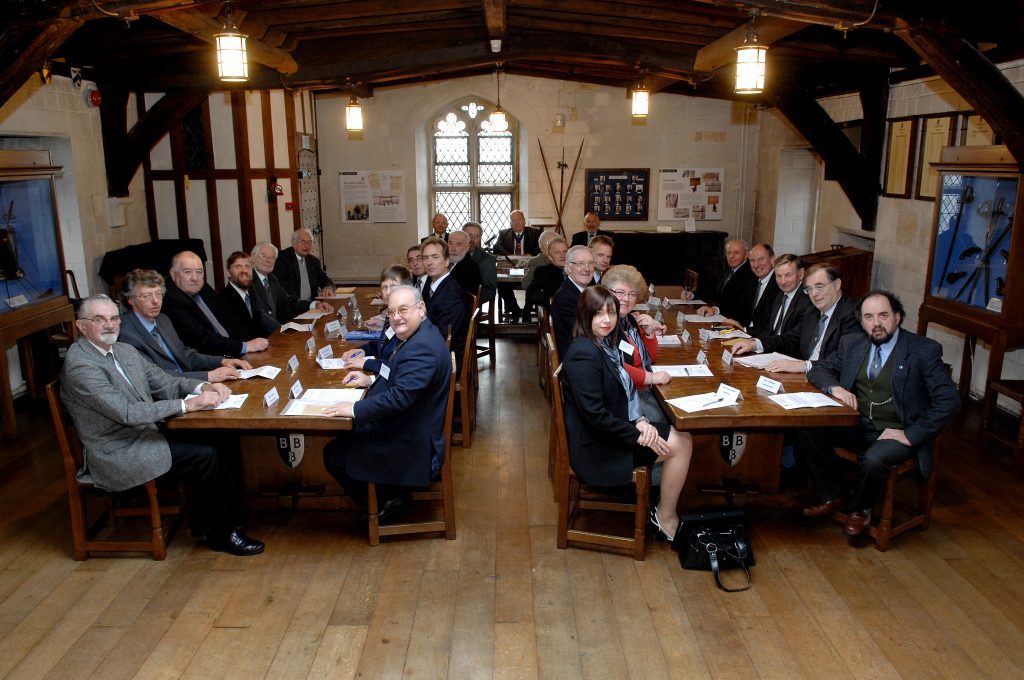 The Lords Feoffees and Assistants of the Manor of Bridlington were established in 1636.
In 1630, four Townspeople approached Sir George Ramsey who had inherited the Manor of Bridlington from his brother, the Earl of Holderness and they were successful in obtaining their freeholds on their own behalf and on behalf of a good many others who had also subscribed to the purchase price of just under £153.
The original four townspeople, who had negotiated the purchase of the freehold of the Manor, made themselves up to thirteen by the inclusion of nine others, and the area of the Town that remained after partition of the former 2000 acres of land amongst the freeholders was then subject to The Great Town Deed of 1636, an agreement the purchasers entered into with 187 tenants and freeholders of the Manor, which empowered the thirteen freeholders to act as Trustees together with twelve Assistants or apprentices.
When the Upper House, the original Lords themselves, were reduced to six by death, they were replenished by the elevation of seven Assistants and then an election was held amongst the freeholders to appoint other freeholders to make up the deficiency. This system is still in operation to this day.
The Chief Lord, to whom the Manor is conveyed for his year of office, has always been appointed from the Upper House.
The Lords Feoffees have always acted on precedence and this is fixed when an Assistant is elected, firstly by the year of their appointment and, secondly, by the number of votes cast in their favour.
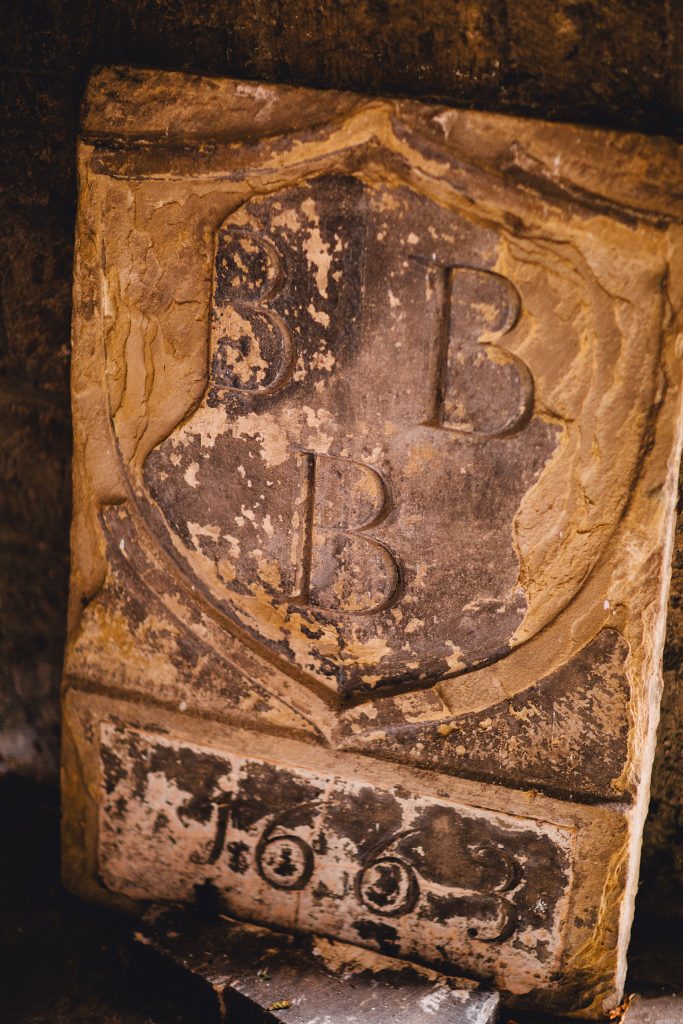 This precedence is fixed for life and more or less depends on the lives of others.
The seating in the Bayle Courtroom is also fixed by precedent and each Lord Feoffee and Assistant has their allotted seat.
To stand in an election, candidates must be the owners of freehold or long leasehold property in Bridlington at the time of election. The right to vote for the Assistants is also restricted to freeholders and long leaseholders in Bridlington.
The Town and Lordship remained under the rule of the Lords Feoffees until 1863 when a Local Government Board took over the main town executive and administrative functions and then the Borough of Bridlington was incorporated in 1899.
Prior to this the Lords Feoffees were responsible for the Manorial Courts and they controlled the Common Bakehouse and Manorial Jail (The Bayle).
Other officials under their control were the Bylawmen, the Constable, the Neatherd and Swineherd.
They also owned and looked after the Town Bull which was available for use by all freeholders during the seventeenth century.
In the present day the Lords Feoffees is a charitable organisation registered with the Charity Commission (Charity No. 252207) as The Town Trust or Lords Estate.
The purpose of the Charity, as stated in the Town Deed of 1636, is to benefit the Town and Townspeople of Bridlington.
 The Charity seeks to achieve these aims by a policy of maintaining its properties and ensuring that maximum occupancy is maintained.
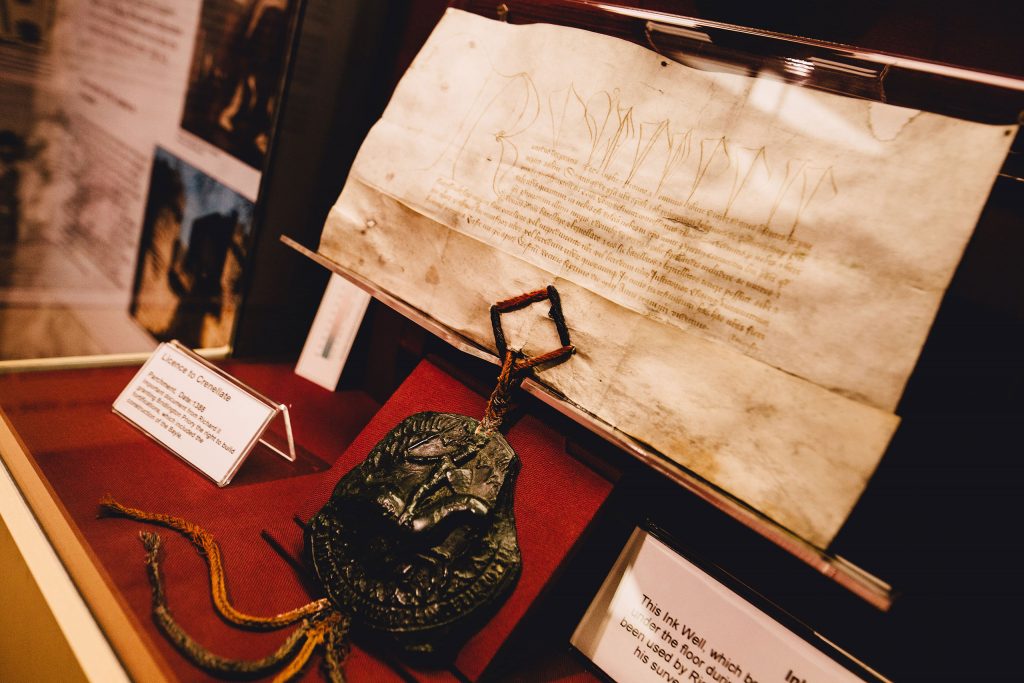
The main income is derived from its property portfolio which includes agricultural land, open spaces, car parks, residential and commercial properties and the Bayle Museum.
The Charity is governed by a Board of Trustees while the day-to-day management is the responsibility of the Chief Executive and their team of staff.
The objective of the Charity is to achieve a level of income that will support the charitable donations made whilst still allowing the estate property to be well maintained thus providing long term income for the future.
The Charity has an established maintenance and refurbishment plan to support its properties and allow substantial funds to be expended on higher education, scholarship grants and charitable donations.
Many individuals and organisations, including Bridlington Schools and many local sports clubs for people of all ages, benefit from the financial support the charity is able to provide and each year scholarships are awarded to assist students from Bridlington to complete their studies at University.
The Lords Feoffees supports the pursuit of excellence in the town and is actively contributing to the future regeneration of the town.